Why I Am Still Doing This? The Reality of Risk and Consequences in Graffiti Writing

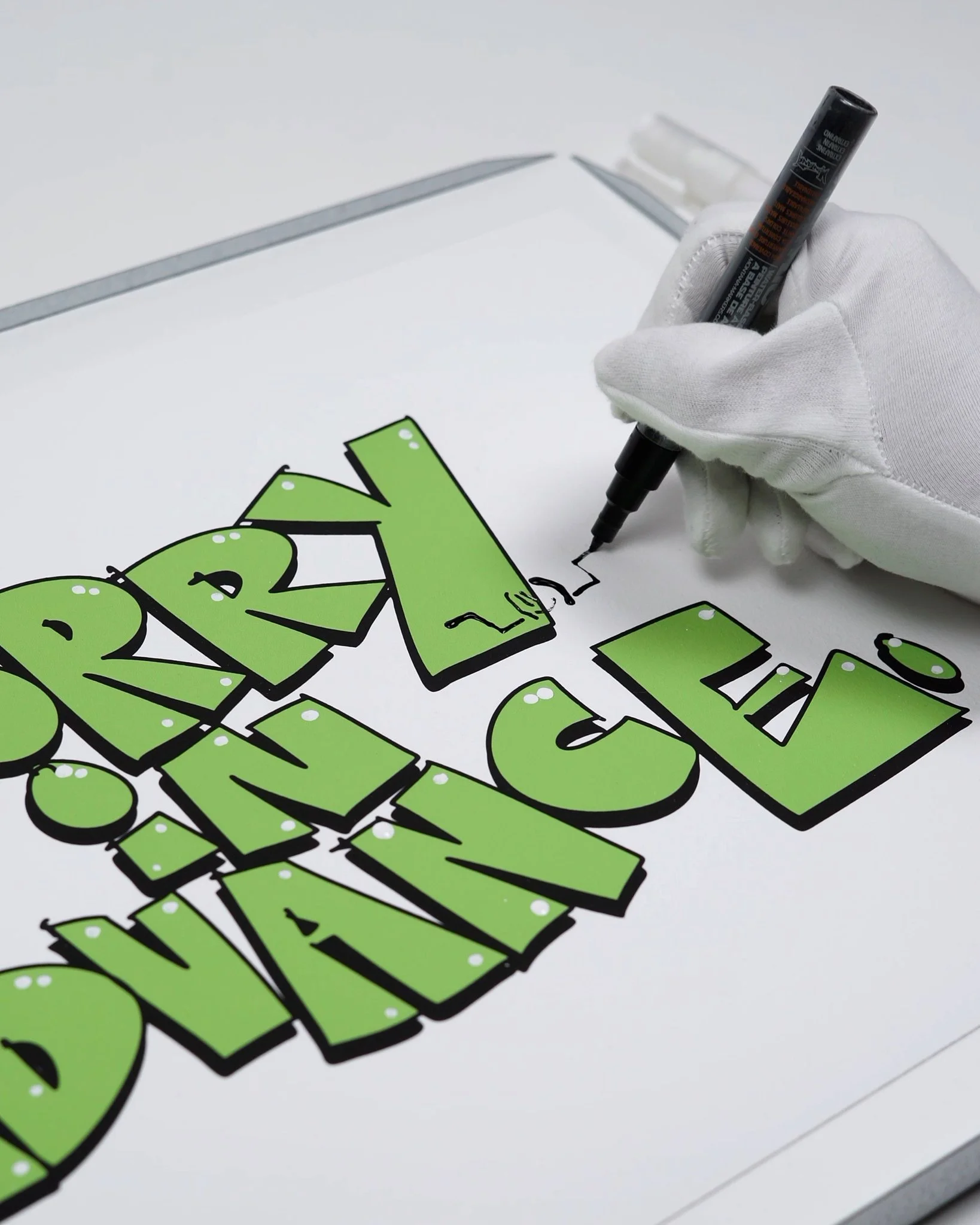
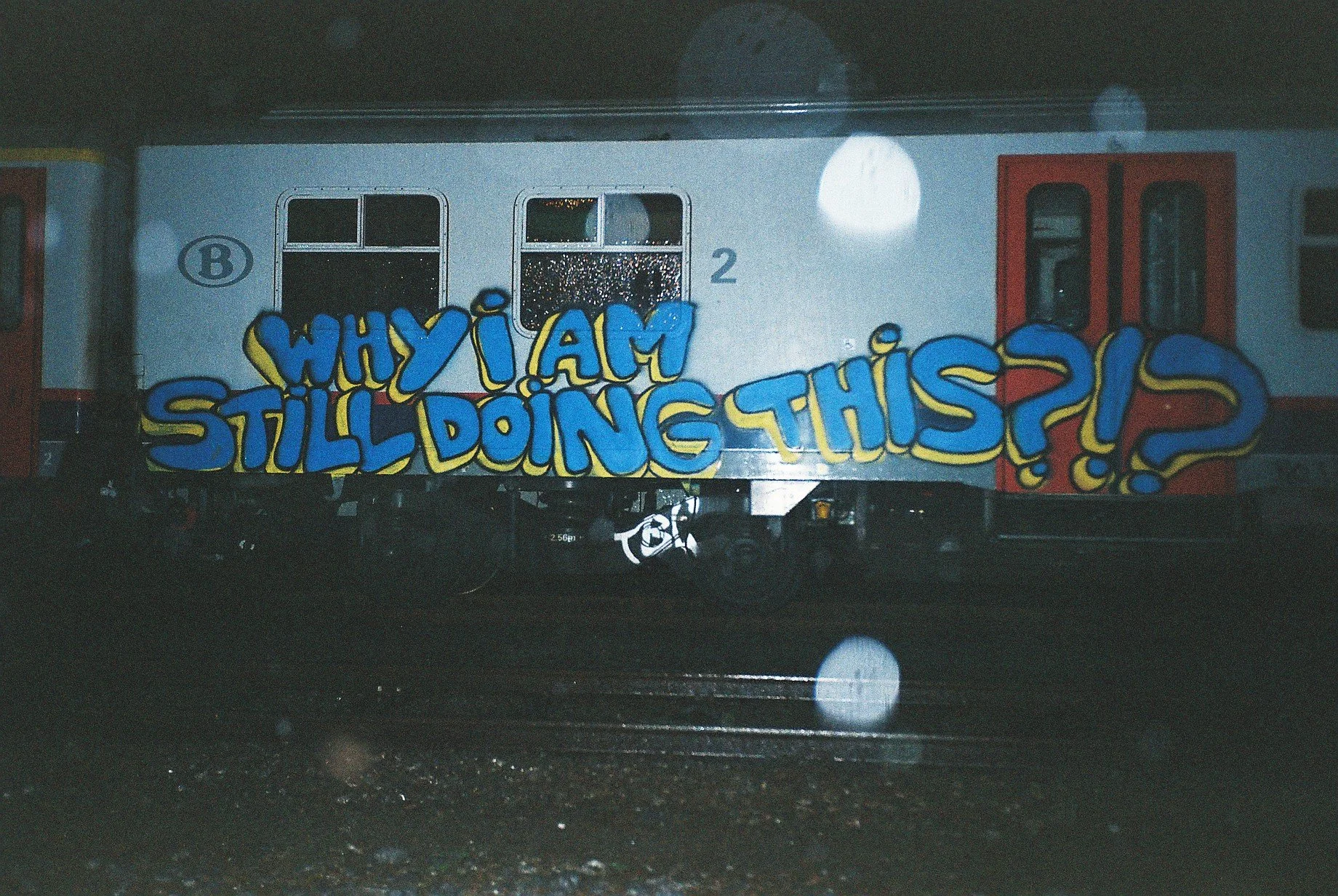
WHY I AM STILL DOING THIS?!? GRAFFITI ARTWORK BY GOOD GUY BORIS BELGIUM PASSENGER TRAIN

Why I Am Still Doing This?

The Reality of Risk and Consequences in Graffiti Writing

KIND REGRETS | Ep. 3 - Why I Am Still Doing This? - Risk & Consequences of Writing Graffiti

Listen Episode 3 on Spotify | YouTube | Apple Podcasts

Read Time: 8 min.

“Why I Am Still Doing This?” is the central question posed by in the third episode of the Kind Regrets podcast. For those within the graffiti subculture, the "game" is often romanticized through social media clips and repetitive fast-cut videos. But behind the colorful graffiti pieces and the adrenaline of the getting away lies a different, rarely shared reality. A story that might involve a cold holding cells, felony charges, and the crushing weight of legal consequences.

In this personal story, told in detail in the full Episode 3, we shift the focus to the "emotional elevator" of the Greek [but not exclusively] detention system, the legal pitfalls of carrying and using “professional" burglary tools, and the realization of what is at stake when the consequences of our actions.

Welcome back to Kind Regrets.

Underestimating the situation: When Scouting Becomes a Felony

The story begins in Greece, during the quiet of the Christmas and NYE holidays. Most people are home with their families, but for a writer, the holidays represent an opportunity: empty streets and distracted security. After being burn-out of work and projects I decided to open a spot, which I have scouted previously. A simple mission intended only to grant me access to to spot, that seemed as routine until a line of strategic mistakes and underestimation of the situation changed the trajectory of plans I had for the holidays and almost resulted in spending them in custody.

In the eyes of a graffiti writer, lockpicks are not a common tool, but those who want to work clean, leave no trace, damage and to be able to access a premium spot - good alternative to the destructive noise of a crowbar or a bolt cutter. However, in the eyes of the law, lockpicks, or other “professional” tools transform a misdemeanor graffiti charge into a felony burglary attempt.

The Law of Possession

The line of the legal distinction is razor-sharp. If you have camera you can say you are urban explorer. If you are caught with a spray can, you are a vandal. If you are caught with lockpicks or specialized tools, you are a professional [thief]. This narrative shift is the first step in what we calls the "emotional elevator” or the moment I realize that if caught I will no longer be viewed as an artist, or it will require an extra steps to prove it to authorities that will label me differently.

The arrest happened quickly. Surrounded by the DIAS (Greek quick-response police on bikes), I was in a situation that all odds were pointing in the direction that I will be held in custody for burglary. And so It happened. I was arrested, at least until the police contact the owner and if he want to press charges.


The emotional elevator inside the police station.

"They don't know who you are”,"To them, you are just another “customer” in the system. They aren't there to be your friends, even if they act nice.”

One of the critical lessons is the danger of "the phone." In the modern age, a writer’s phone is a digital confession. If it contains photos, locations, chats, and evidence of years of activity.

"Do not unlock your phone. It doesn't matter if they threaten you. It doesn't matter if they tell you it will make it easier. Your phone is the key to your own prison cell.”

The police used every psychological tactic in the book, including the "good cop" routine, trying to convince you to show them your car or to unlock your device. By refusing, I maintained a shred of legal leverage, though it resulted in his vehicle being towed and searched - a reminder that the system will always find a way to escalate if you don't comply with their “requests.”

For some, the most difficult part of the transcript is the description[conditions] of police station. This is not a prison. it is a transition zone, a place where time slows down and human rights often feel like a distant memory.

The intake process is a "emotional elevator." One moment you are a free citizen with a business, a partner, and a life - the next, you are stripped of your belt and shoelaces, sitting on a broken plastic chair in a room that hasn't been cleaned in decades.

The Geography of a Holding Cell

The physical environment of the custody is a character in itself:

  • The Smell: A mix of old sweat, cigarettes, and lack of ventilation.

  • The Walls: Covered in "boogers" and graffiti from decades of detainees.

  • The Occupants: A mix of "normal" people caught in unfortunate circumstances and those the system has completely forgotten.

You are in a room with 20 other people, and there are only four beds - which are just concrete slabs with dirty mattresses”, "There are people there who have been waiting for months just for papers. It’s a human rights disaster.”

The Paradox of the "Greek Experience”

Despite the grim surroundings, a surreal element of the Greek detention system: the Freddo Espresso.

"The most Greek thing ever is being in a high-security cell, having your rights stripped away, but being able to order a Freddo Esspresso coffee from the canteen for two euros. It’s a weird dignity in the middle of a indignity.”

This paradox serves as a metaphor for the entire experience. It is a system that is simultaneously broken, bureaucratic, and strangely human. However, the "human" side has its limits. The frustration of being told that you would be released, only to be told an hour later that you are being charged with burglary and sent back to the cells.


The Survival Rules: Do’s and Dont’s

Based on my previous experience, I outlined several non-negotiable rules for anyone who finds themselves in similar situation:

    1. “NO COMMENT”: "The more you talk, the more you dig your own grave. Even if you think you’re being clever, you’re not. You’re under stress; they do this every day. Do not make any statement. Defend yourself at the court.”

    2. Get a Specialist Lawyer: Don't rely on a general lawyer. You need someone who understands the specific nuances of graffiti and criminal law in that specific jurisdiction. Self defence is a bad idea.

    3. The Phone access is Off-Limits: Never provide your passcode. This is your most important piece of advice.

    4. Patience: Understand that you will feel high and low. You will feel hope when the lawyer arrives and despair when the cell door locks. Acceptance is the only way to keep your mind sharp.

The True Cost: Family, Dignity, and the Future

Perhaps the most significant part of the episode is the reflection on the "collateral damage" of this hobby. It isn't just me [the writer] who suffers - it’s the parents who have to hear their son is in jail on Christmas, the partners who have to navigate the legal mess, and the kids who might one day see their father behind bars.

"You are putting yourself into the fire for something you pay for. Is it worth the health of your mother? Is it worth the stress of your girlfriend? You need to take the decision before you get caugh.”

I am not telling people to stop writing, I want people to be aware. To be a "good" writer, you must also be a "prepared" criminal. You must know the price of the ticket before you board the train.

Kind Regrets

As the episode comes to an end I am coming to the realisations of a "kind regret”.

The graffiti game is a beautiful, self-destructive, and addictive pursuit but, the system doesn't care about your art. It cares about rules. Whether you are a veteran or a newcomer, the message is clear: Learn the risk and embrace the consequences. And if you’re going to play, make sure you’re ready to pay the price.

Thanks for reading. See you in the next episode.

Kind regrets,

Boris


This article was synthesised from Episode 3 of Kind Regrets podcast by Good Guy Boris, exploring the intersection of graffiti culture, ethics, and effort.

Listen Episode 3 on Spotify | YouTube | Apple Podcasts

Subscribe for new episodes on Spotify | YouTube channels.

Join the community forum in Telegram

Follow the Kind Regards on Instagram | TikTok

Follow Boris on Instagram | Telegram | X | TikTok

Join the Mail List and don’t miss a drop.

Episode 3: Why I Am Still Doing This? - Risk & Consequences of Writing Graffiti

Episode 3 of Kind Regrets podcast is out!

In this intense and deeply personal episode, I recount getting caught red-handed while trying to access a spot just before the holidays in Greece. How a simple scouting mission with a set of lock-picks escalated into a felony burglary charge and a stay in a police station. This story is a hard look at the true price of writing graffiti - the stress on loved ones, the loss of freedom, the embarrassment, and the burning question that keep returning: “Why am I still doing this?”

How a quick mission can go wrong and turn into a misery behind bars.

In this episode:

  • The Arrest - How a "15 min. mission" turned into a 3-night nightmare when police caught me with lock-picks outside a building in Athens

  • Inside the Cell - Real conditions in Greek police detention: the cold, the characters, the smell, the survival tactics, and the psychological warfare

  • Police Tactics - Why you should never open your phone, never make statements, and always get a lawyer

  • The Court Experience - Digital fingerprinting, handcuffs, prosecutors, judges, and the emotional elevator of not knowing whats next

  • The Real Cost - Beyond legal fees: relationships under stress, embarrassment, and the question of whether any of this is sustainable

  • Reality Check - Wrestling with freedom, consequences, privilege, and what it means to keep doing something that repeatedly lands you in jail

Listen Episode 3 on Spotify | YouTube | Apple Podcasts

If you prefer reading, check the summarised article (8min read).

Listen Episode 3 on Spotify | YouTube | Apple Podcasts

Subscribe for new episodes on Spotify | YouTube channels.

Join the community forum in Telegram

Follow the Kind Regards on Instagram | TikTok

Follow Boris on Instagram | Telegram | X | TikTok

Join the Mail List and don’t miss a drop.

Episode 2: The Name: Identity, Ego Trip & Graffiti as a Game

Episode 2 of Kind Regrets podcast is out!

In the world of graffiti, you don't have a face - you have a Name (Reputation). In this episode I break down another of the core mechanics of graffiti culture: the name. As an identity, an avatar in "the game of graffiti".

More in this episode:

  • Why anonymity makes the name the main character in "the game"

  • Why reputation often matters more than style

  • Graffiti is an an ego trip & how to escape that

  • Ego, narcissism, and why there is a competition in street culture

  • Graffiti as memory, immortality, and grief

  • How to Kill the ego (name) and take responsibility

  • When graffiti "stops being graffiti"

  • The role of intention, ethics, and mentorship

    Listen Episode 2 on Spotify | YouTube | Apple Podcasts

If you prefer reading, check the summarised article (8min read).

Listen Episode 2 on Spotify | YouTube | Apple Podcasts

Subscribe for new episodes on Spotify | YouTube channels.

Join the community forum in Telegram

Follow the Kind Regards on Instagram | TikTok

Follow Boris on Instagram | Telegram | X | TikTok

Join the Mail List and don’t miss a drop.

The Name, The Face, and The Ego Trip (And How Intention Changes Everything)

THE K IN MY NAME STANDS FOR KING GOOD GUY BORIS GRAFFITI ARTWORK

The Name, The Face, and The Ego Trip (And How Intention Changes Everything)

KIND REGRETS | Episode 2: The Name: Identity, Ego Trip & Graffiti as a Game

Listen Episode 2 on Spotify | YouTube | Apple Podcasts

Read Time: 8 min.


Welcome back to Kind Regrets.


In the first episode, we established the core philosophy of this space: looking back not to live in shame, but to extract lessons. That’s why I chose the name - it’s a reflective play between “Kind Regards” and “No Regrets” acknowledging the past while moving forward.

In this second episode, I am going straight into the heart of graffiti identity: The Name - The most powerful tool a writer possesses. It's at the beginning, the middle, and too often, at the end of the journey. I am going to deconstruct it, defining it not as a romantic artistic signature, but as a strategically constructed Avatar in a psychological game of dominance.


Graffiti: The Video Game Theory 

(Avatar and Rules)

To understand the psychology of graffiti, you must first reframe it entirely. It is not merely an art form - it is a meticulously crafted, self-imposed Massively Multiplayer Role-Playing Game (MMORPG).The moment you choose a name, you are creating an alter ego, an avatar for a second life. This second life operates under its own rules, its own physics, and its own metrics of success.

“The Name is the Face”

Why is this avatar necessary? Because the essence of traditional graffiti is anonymity. We hide the face (not me, but most of the writers). We separate it from the regular personal life. As a result, “The name is the face.”

In other celebrity cultures, you see the character's face, you hear their voice, you get to know their personality. In graffiti, the letters themselves are the physical representation of the persona. You see throw-ups, pieces, and characters, but never the person behind them. The tag becomes the visible icon of a hidden, separate personality.

"The name is the physical representation of this persona... You see letters, you see pieces, you see throw-ups... The name is the icon, the visual of the personality.”

This identity is powerful precisely because it is untethered from the consequences of the real world (at least in the writer’s mind). It is a persona you can turn on and off, a mask that allows for behavior the real-world self would never contemplate.


The Constant and The Contract

The name is the one constant. Styles may change, crews may change, techniques evolve, but the name is your anchor. This name is so fundamental to the experience that it often “bleeds” into real life - friends may call you by your tag, cementing the identities crossover.

The "Game" is addictive because it provides a clear-cut metric for success: omnipresence. The goal is to dominate the visual landscape, to achieve an unavoidable level of saturation. The better you are at spamming your name, the more successful you are in the game. This brings us to the core issue: the motivation.


The Festival of Narcissism

If we analyze the intention behind the act of writing in the streets, it becomes clear that graffiti is fundamentally a competitive sport. It is, quite literally, the "Olympics of Egomaniacs."

The impulse is rarely purely artistic. It’s a primal desire for recognition, for dominance, and for visibility. It is a festival of the narcissism where every single person is convinced they are the most important player on the server.


The Hip-Hop’s Ego Trip

This competitive spirit is not unique to graffiti. It is baked into the very DNA of Hip Hop culture. If we consider graffiti as an element of this culture (debate incoming). Look at the other elements: rap battles, breakdancing circles, DJ clashes. All are rooted in a confrontational, high-ego desire to prove one's superiority.

"Hip-hop is measuring each other's ding-dongs.”

This ego-driven competition dictates that success is often measured not by skill or aesthetic quality, but by sheer quantity, or as we define it here, spam.

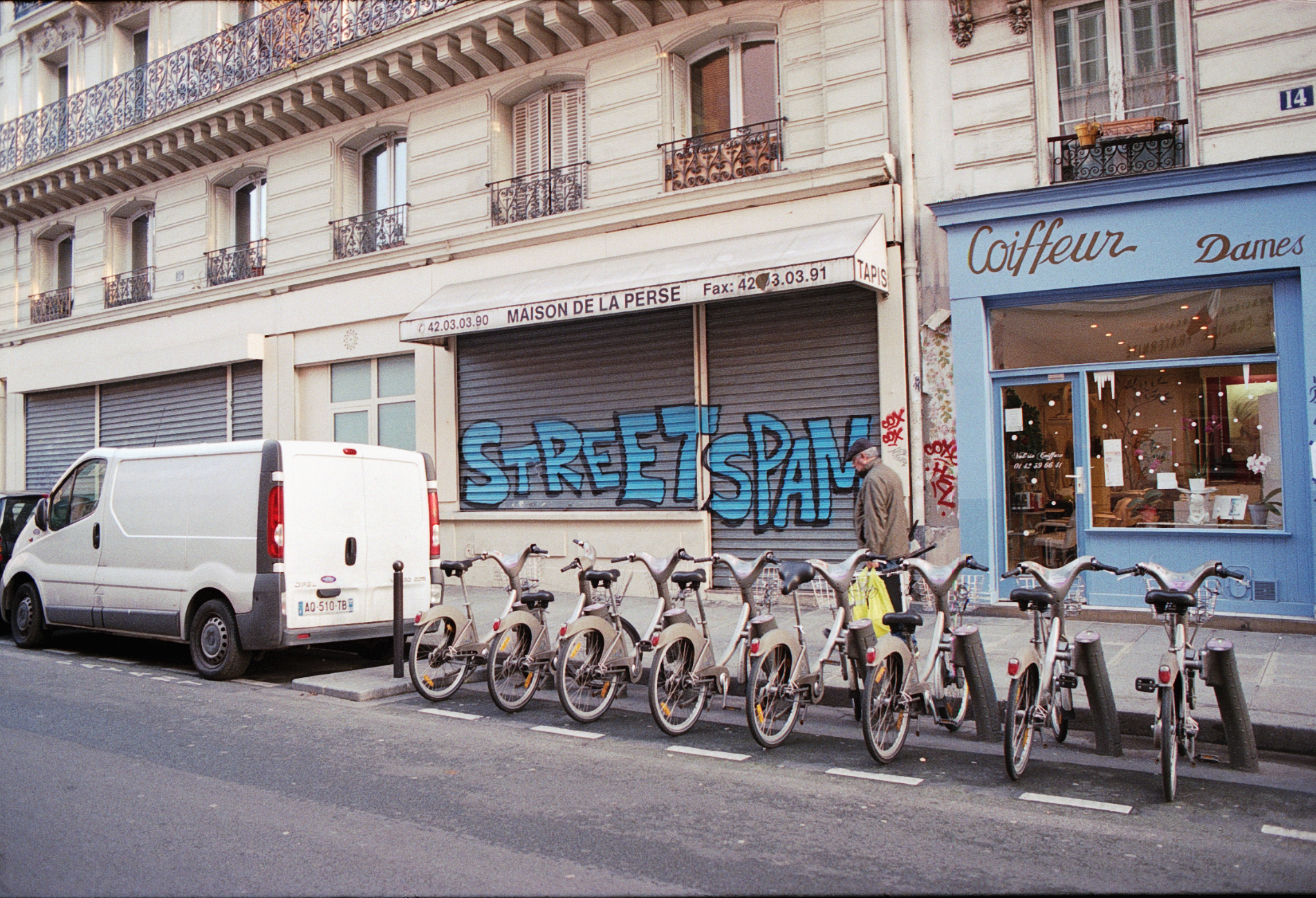
STREET SPAM GRAFFITI ARTWORK BY GOOD GUY BORIS PARIS FRANCE 2012


Street Spam: Graffiti is Unsolicited Branding

We need to call it what it is: a writer’s primary activity is not art - it is unsolicited branding. An uncomissioned advertising. The public didn't ask for your message. They didn't sign up for your mailing list. Yet, we bomb their commute, their infrastructure, and their landscape with our personal logo. The act is one of forcing your personal brand upon the collective, driven by the psychological reward of visibility. The moment you achieve saturation, you feel an immense hit of adrenaline and power. You are temporarily omnipresent.


Reputation over Skill

Whether you enter graffiti with competitive intentions or not, you eventually realize the truth: this is a competitive sport. In this game, reputation functions like experience points in an RPG - You are building a name's reputation. And I've observed that in the graffiti world, people often consider more your reputation than your style or accomplishments. Reputation encompasses everything - your style contributes to it, but so does your character and attitude.

Is this writer loyal? A snitch? Someone who goes over other people's work? Someone who steals or betrays friends? Is this writer helpful, supportive of the culture, trustworthy? When graffiti writers discuss someone, they immediately attach labels based on reputation.

The reputation you build becomes inseparable from the name.


The Paradox of the Name and the Delusion of Immortality

One of the psychological fuel for the graffiti game is the pursuit of immortality. Writers believe that by tagging their name in concrete and steel, they are defying death and ensuring their legacy. This is a powerful, yet ultimately fragile, illusion.

The name is a paradox: it is the vehicle for destructive behaviour, but also the catalyst for profound human connection.


The Roots vs. The Fruit

The roots of the game might look often ugly to an outsider: destructive intent, rebellion, and a misplaced desire to be against to the system. But the fruit can be beautiful - it gives you long lasting friendship and companionship, community, travel, and an open-minded perspective.

The name is what facilitates the tribe, but the tribe can distract you from the true meaning of your actions.


When a Tag Becomes a Memory

To understand the real meaning of a tag, one must look beyond the writer's ego. Because graffiti does provides the sense of immortality. When you paint, you believe or hope that something will remain after you're gone. You invest paint, time, effort, creating pieces with the intention they'll outlast you. 

I experienced the power of permanence in a profound way while working with a French director in Paris on a documentary. We interviewed a mother whose son had died young in an accident - a devastating story. But what struck me most powerfully was when she held her son's sketches and said, "Now when I walk the city and see his tags, I see a memory. I'm so happy some of them remain."

For her, graffiti's meaning transformed completely. 

For me too. I joke with people sometimes: "Yeah, when you see my name somewhere in the middle of nowhere, remember me. When I'm dead, it's there for you to remember." It's simultaneously a delusion and something beautiful - something you can hold onto.

The tag’s meaning shifts the moment it leaves your hand. For the writer, it’s an ego trip. For others, it can be a source of discomfort, a symbol of crime, or, in rare cases, a beautiful moment of memory. The goal is to evolve your intention so that the act is less about ego and more about leaving a message of value.


The Pivot to Accountability (Killing the Ego)

How do you win a game fueled by ego? You don't. You transcend it.

For me, staying locked in the anonymity of the tag was a dead end. I made the conscious decision to kill the ego and start using my real name: Boris.

This was not a re-branding exercise - it was an act of radical accountability.


The Legal Liability

There's a pragmatic side: the name becomes a legal liability. When your alias is constantly associated with crimes in police files, you are almost trapped. Each tag inflates the total cost of the penalty. The police are waiting for you to make a mistake.

But the philosophical reason is far more important. By taking off the mask and standing behind my actions with my real name, I forced myself to be responsible for the consequences. I could no longer hide behind the avatar and indulge in the destructive impulse.


"The basic logic for me was to stop using a pseudonym, to take off the mask, to take responsibility, and to stop doing pointless vandalism.”


I decided to embrace the name my parents gave me. I reasoned that what I was doing wasn't wrong. I could stand behind it as a man taking responsibility for his actions. I wouldn't hide behind a mask. And critically, I wanted to focus more on the message than the name.

This decision had practical dimensions too. I was in Paris, where authorities tried and failed miserably to make your graffiti name function like a passport, a legal identity. If your name was Boris, they'd try to charge you for every piece of graffiti with that name on it.

This transition marked the moment when graffiti stopped being a game to win and become a language to use.


Final Word: Intention and Mentorship

The ultimate free bad advice is simple: Focus on intention.

Do not chase the high of fame or the delusion of immortality. The energy you spend on building your reputation or spamming spots should be redirected toward asking: Why am I doing this? What am I trying to achieve?

Graffiti might be structurally narcissistic. It might be an ego Olympics at its core. But your intentions determine whether it becomes a toxic competition or something that builds community, creates lasting bonds, and provides purpose.

The structure doesn't have to define the outcome. Good intentions yield good fruits. That's been true in my life, and I believe it's true for this culture as a whole.

The question isn't whether graffiti is an ego trip. It is. The question is: what will you do with that energy? Will you let it consume you, or will you transform it into something meaningful?

Your name is your face in this game. Make sure what that face represents is something you can stand behind.

The game only changes when the players’ intentions shift from ego to growth.


Thanks for reading. See you in the next episode.

Kind regrets,

Boris


This article was synthesised from Episode 2 of Kind Regrets podcast by Good Guy Boris, exploring the intersection of graffiti culture, ethics, and effort.

Listen Episode 2 on Spotify | YouTube | Apple Podcasts

Subscribe for new episodes on Spotify | YouTube channels.

Join the community forum in Telegram

Follow the Kind Regards on Instagram | TikTok

Follow Boris on Instagram | Telegram | X | TikTok

Join the Mail List and don’t miss a drop.

I Started a Podcast - Kind Regrets

I finally started the podcast. It was a thought i was flirting with for quite some time.


The main idea is to give context of my work, to share ideas, to tell stories of the culture i love and live. The frame and the concept are still developing, so be patient.

I invite you to start with the first episode - i think it sets the vibe of what this talks will be.

I will try to make it worthy for both insiders and people curious about my graffiti universe and want to learn more about it.

In the first episode i am talking about:

  • “The Spot”, as a stage, where the performer (a graffich writer) performs (write).

  • Why the location is a critical, competitive arena for every writer.

  • The true cost and meaning of a “good spot”. How writers discover, scout, open and protect locations.

  • Presenting a concept of the spectrum of King & Toy. (The Spot Chad vs. Spot Sucker)

  • The Paradox: Why a culture built on disrespect has strong unwritten rules, and what could happens when your vandalism get vandalized by vandals.

The episodes will be uploaded as videos in Spotify & YouTube accordingly.

You can follow the show on Instagram, TikTok and Telegram for now.

If you prefer reading, check the summarised article (8min read).

The Spot: The Unwritten Laws, The Parasites, and The King’s Stage

graffiti spots are like canned food once you open them you never know who goes in next good guy boris Grafffiti artwork spray paint on wall quote

The Spot: The Unwritten Laws, The Parasites, and The King’s Stage

Read Time: 8 min.

In the world of illegal graffiti, the piece comes secondary. Style, size, color, even the letters often take a backseat to the most defining factor of a writer's existence: The Spot.

To the uninitiated, a "spot" is just a surface - a wall, a train panel, or a tunnel. But to a graffiti writer, the spot is the stage. It is the geographical anchor where the performance happens, where communication with the world takes place. It is a complex asset governed by a strict code of ethics in a culture that is, by definition, unethical.

We are diving deep-ish (scratching the surface) into the architecture of graffiti culture: Exploring the hierarchy, the effort, the psychology of ownership, and the unwritten rules that separates the "Graff Wild West" from a collapsing total chaos.

The Philosophy of Location: The Stage for the Vandal

If a graffiti writer is an actor performing a persona, the spot is their venue. The fundamental equation of graffiti is simple: Location, Location, Location.

You can have the best "letters" (style) in the world. You can be the technical wizard with the spray, but if you paint in a "whack spot" somewhere hidden, safe, or irrelevant - your message stays in the dark. On the other hand, even a simple tag on a bold, highly visible location gains admiration.

What defines the "King" Spot?

A spot is judged by the scales of multiple variables that determine its value:

  • Visibility: The primary currency of graffiti is attention. Writers want to be seen, to be notorious, to market their name to the public and to top their peers (competitors).

  • Difficulty & Exclusivity: Is it hard to access? Is it a "virgin" spot that has never been painted? Is it protected by security, cameras, sensors. Is it dangerous?

  • Longevity: How long will it run (hopefully) before it is "buffed" (cleaned) or demolished?

The best spots are those that balance high visibility, extreme difficulty and make it look impossible and the bystander would ask “How did they even get up there?" or “Where do they find the time to paint on those train cars?”

The SPECTRUM of Effort: The King vs. The Parasite

The graffiti world is not a democracy; it is a meritocracy based on effort. This spectrum of effort creates a stark divide between the two polar extreme type of writers on the “scale”:

The "Spot Chad" (The King) and the "Spot Sucker" (The Parasite).

1. The Spot Chad (The King)

The "Spot Chad" represents the 100% effort mentality. This is the leader, the boss, the writer who doesn't just paint - he invests.

He treats graffiti like a military operation. He researches his environment, conducts reconnaissance (recce), analizes the risk/benefit and uses technology and skills to grant access and complete the “mission”. He is willing to drive hundreds of kilometers, sleep in cars, or camp on rooftops just to secure the perfect location.

"He visits, he opens, he leave nothing behind... He do the whole job... He have the best result. The person who invest and he have the fruit of his labor."

When a King opens a "virgin spot," he is not only providing stage for his performance, but he takes all the risk related: Legal, physical, and financial - To claim a space that no one else dared to touch.

2. The Spot Sucker (The Parasite)

On the opposite end of the spectrum lies the "Spot Sucker." This is an "animal that thrives into the caves and the dark part of the graffiti culture."

The Spot Sucker possesses a parasitic mentality. He purposely avoids to learn and use the vision, effort, skills and the “work ethic” to find his own spots. Instead, he waits for a King to open difficult location, and then to sneak in. He walks in the footsteps of others, using the path they cleared, to place his “work” next to the “masterpiece”.

"He uses intentionally the success of others by parasiting them... just to be on the picture, just to be on the spot."

The Spot Sucker dilutes the power of the spot. He pollutes unique locations with low-effort mumble, often ruining the spot for everyone by bringing unnecessary heat or saturation. It is a parasitic mindset which exists everywhere, not just in graffiti - the clout chaser who wants reward without risk.

Don't be a Spot Sucker. Become a Spot Chad. Be a King. Stop being a toy. Even thought Toys are better people.“

THE PARADOX OF Vandalizing Vandalism & The Unwritten Rules

It is a paradox: Graffiti is illegal. It is an act of rebellion against the government, property laws, and societal norms. Yet, this anti-social behavior is governed by a rigid set of unwritten rules.

Why? Because even in chaos, human tries to set order. You cannot govern anti-government people with laws, but maybe. they can govern them with respect and consequences.

The Universal Taboos

While the "Wild West" nature of graffiti means anything can happen, there are lines that respectable writers do not cross:

  • Sacred Spaces: Generally - do not paint churches, monuments, graves.

  • Personal Property: Painting public transport or corporate property is fair game. Painting an individual’s personal car is considered a an idiot move.

The Hierarchy of Disrespect

The most volatile rule involves the interaction between writers. You do not paint over someone else, you don’t want to clearly disrespect.

Crossing someone out is not an accident; it is a declaration of war. If you paint over the work of other you are dissing their effort, their money, and their risk.

"If you cross that line, it’s not an accident; it’s a binary decision. You chose 'Yes' or 'No'. And you must accept the consequences."

Those consequences are real. Graffiti "beef" is not just online chatter; it can easily result in violence, gang activity, and systematic erasure of work. Your physical safety and legacy are at clear stake. Graffiti is a full contact sport, even though some avoid to acknowledge it. They learn the hard way.

Locals Lonely good guy boris Grafffiti artwork spraypaint on wall quote

Localism and the Illusion of Ownership

One of the most fascinating psychological aspects (delulus) of graffiti is the “concept” of Localism.

Writers often claim spots. They say, "This is my yard," "This is my wall," or "This is my line." But the reality is ironic: We own nothing. We are repurposing and reterritorizing property that belongs to the state or private entities.

Yet, Localism persists. It functions similarly to the surfing, skateboarding and nearly any other culture, that has a “Spots”.

  • The Surfer: Protects his local break from tourists and kooks to keep the waves uncrowded and safe.

  • The Writer: Protects his yard from "toys" (inexperienced writers) to prevent the spot from being "burned" (discovered by other toys or closed by authorities).

Local crews will enforce this ownership with force. If a tourist comes to Berlin or Paris and paints in a "local" yard, they might find their work crossed out the next day. It is a form of quality control and self-preservation. If you bring attention to a spot - by being loud, messy, or later posting on social media - you ruin it for the people who have been maintaining it for years, and for the ones ahead.

Is it fair? No. Is it reality? Yes. If you want to paint in a claimed spot, you need the "muscles, money, and manpower" to back it up.

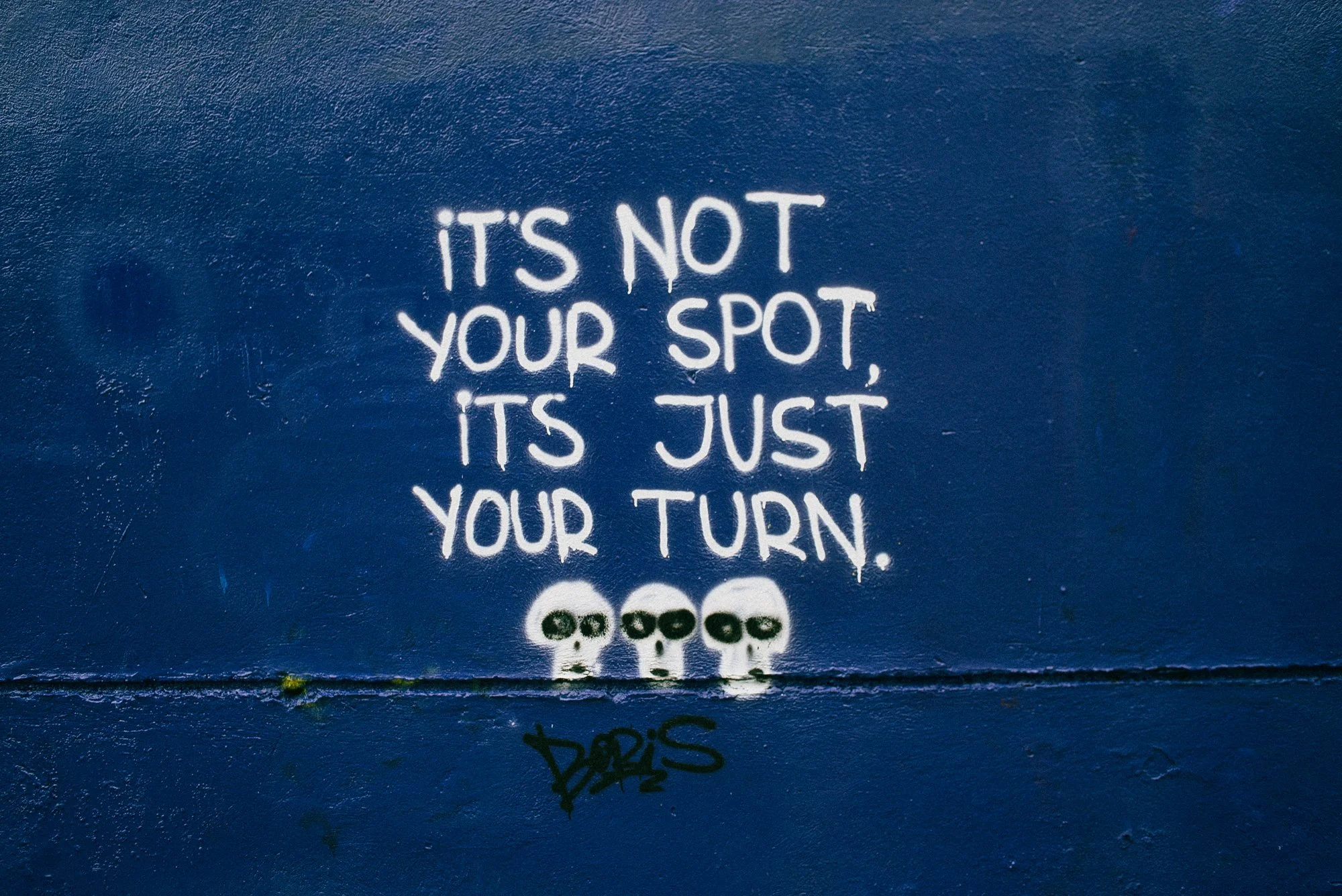
EphemeralITY : "It's Not Your Spot, It's Just Your Turn"

Despite the fights for territory, the reconnaissance missions, and the violence of localism, there is a humbling truth at the core of graffiti: The Spot is Mortal. The Spots are Ephemeral.

You can fight for a spot, you can police it, and you can claim it. But eventually, the building will be demolished. The train will be buffed. The wall will be repainted. Or, simply, someone better, stronger, or crazier than you will come along and take it.

"It's not your spot. It's your turn."

This phrase, adapted from street culture, sums the ephemeral nature of the art form. We are temporary occupants of these spaces. The control we think we have has a countdown timers.

The Importance of Documentation

Because the spot is temporary, the only thing that truly lasts is the documentation. The memory is fallible, but the photo is proof.

"The spot and the photo are two different things... but I have the proof. JPEG or it didn't happen, bro. " *(Before generative Ai was released to the mass users)

JPG OR DIDN'T HAPPEN ARTWORK BY GOOD GUY BORIS PHOTO BY MARTHA COOPER

© Photo: Martha Cooper

In the end, living with the mindset that the spot is ephemeral allows a writer to find peace. It pushes you to stop hoarding locations and start "opening" new ones. It drives you to raise the bar, to be more active, and to accept reality. Improve, Adapt, overcome.


Key Takeaways for the Aspiring Creative

  • Invest the Effort: Don't look for shortcuts. The value of your output is directly correlated to the difficulty of your input.

  • Respect the History: Before you claim a space (in art or business), understand who was there before you.

  • Document Everything: Your work may be temporary, but your record of it doesn't have to be.

  • Don't Be a Spot Sucker: Innovation beats imitation. Always.

graffiti spots are like canned food once you open them you never know who goes in next good guy boris Grafffiti artwork spraypaint on wall quote

This article was synthesized from Episode 1 of Kind Regrets podcast by Good Guy Boris, exploring the intersection of graffiti culture, ethics, and effort.

Listen Episode 1: Spotify | YouTube

Join the Mail List and don’t miss a drop.

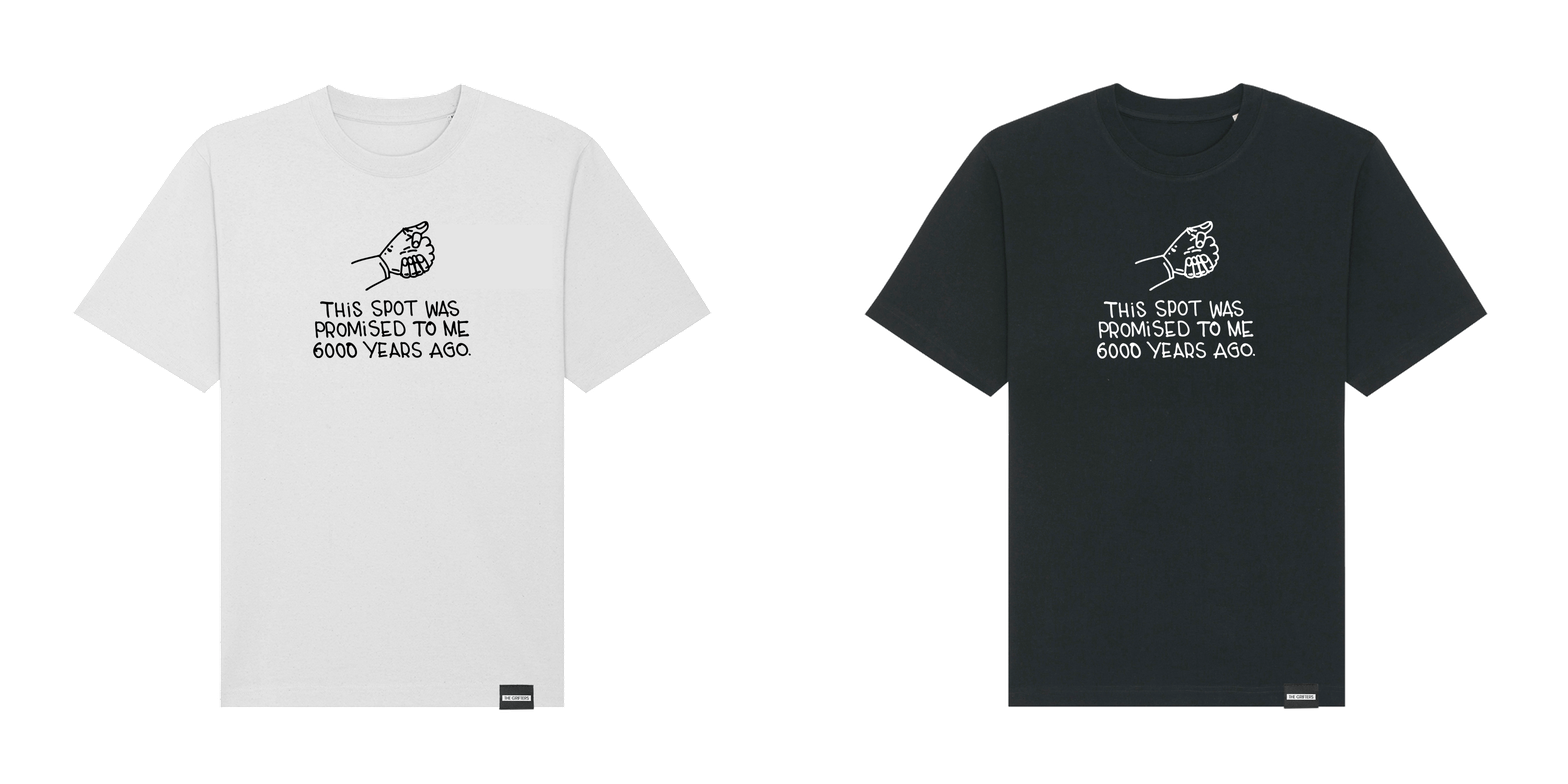
THE PROMISED SPOT

New Limited Drop (SOLDOUT). Discover the collection here or via the links bellow.

Premium boxy hoody

  • Relaxed / Boxy Fit - wider through the chest and body with a straight, slightly cropped shape. It gives a relaxed, modern vibe without feeling oversized.

  • 400 GSM - Premium Heavyweight.

    French Terry - Soft, mid-weight fabric with smooth knit on the outside and tiny loops on the inside. It’s breathable, comfy, and perfect for everyday wear.

    100% Organic Cotton - clean, comfy, and eco-friendly.

SHOP HERE
 

Premium HEAVYWEIGHT TEEs

  • Relaxed - relaxed, modern vibe without feeling oversized.

    Fit true to size - for oversized shop 1 size up.

  • 240 GSM - Premium Heavyweight. Soft. Natural.

    Crafted from 100% organic open-end cotton in a single-jersey knit. It feels light, smooth, and breathable - perfect for everyday wear and always gentle on the planet.

    100% Organic Cotton - clean, comfy, and eco-friendly.

SHOP TEES
 

Premium CREWNECK SWEATSHIRT

  • Regular fit.

    Fits true to size.

    For oversized fit shop 1 size up.

  • 350 GSM - Premium Heavyweight. Soft. Natural.

    Crafted from brushed 100% organic cotton, giving it warmth and a super-soft, slightly fuzzy feel you’ll want to live in.

    100% Organic Cotton - clean, comfy, and eco-friendly.

SHOP CREWNECK
 

Shipping starts end December.

The podcast covers the concept behind the capsule collection.

Mail List subscribers got complimentary FREE SHIPPING. Join now and don’t miss my next drop.

PART OF THE PROBLEM NOT OF THE SOLUTION

PART OF THE PROBLEM NOT OF THE SOLUTION

Limited run merch inspired from a quote i played around recently.

Shop Tees
shop caps

Shipping starts end October

Check also the original artwork BE PART OF THE PROBLEM

Mail List subscribers got complimentary FREE SHIPPING. Join now and don’t miss my next drop.

IT'S NOT THE WAVES - IT'S YOU!

IT'S NOT THE WAVES - IT'S YOU!

Fine Art Print & Poster from a recent artwork on a shipwreck.

IT'S NOT THE WAVES - IT'S YOU!

Signed Fine Art Print by Good Guy Boris.

21 x 30 cm | Time-limited edition.

Giclee print on 325 gr. Hahnemuhle Fine Art Baryta.

SHOP FINE ART PRINT

IT'S NOT THE WAVES - IT'S YOU!

Poster by Good Guy Boris

30 x 40 cm | Open edition.

Giclee print on Hahnemuhle Photo Matt

SHOP POSTER
 

DIM NFT COLLECTION

My collection of 6 original NFT's.

 
Vandalism on private property. Multimedia artwork & performance. HD Video Loop 1920x1080px. Original. 2021  Part of my first digital art collection "DIM NFT"

ULTRAWIDE DRIP

Click here to see the artwork


Vandalism on private property. Multimedia artwork & performance. HD Video Loop 1920x1080px. Original. 2021  Part of my first NFT collection: DIM NFT

INK DRIP

Click here to see the artwork


Vandalism on private property. Multimedia artwork & performance. HD Video Loop 1920x1080px. Original. 2021  Part of my first digital art collection "DIM NFT"

SPRAY CAN DOT SPLASH

Click here to see the artwork


Vandalism on private property. Multimedia artwork & performance. HD Video Loop 1920x1080px. Original. 2021  Part of my first digital art collection "DIM NFT"

DIM GRAFFITI TAG

Click here to see the artwork


Vandalism on private property. Multimedia artwork & performance. HD Video Loop 1920x1080px. Original. 2021  Part of my first digital art collection "DIM NFT"

FAT CAP FILLIN

Click here to see the artwork


Vandalism on private property. Multimedia artwork & performance. HD Video Loop 1920x1080px. Original. 2021  Part of my first digital art collection "DIM NFT"

BALLTIP MARKER SQUEEZ

Click here to see the artwork


All artworks directed, produced and sound engineered by myself. 2021

Discover the collection here.

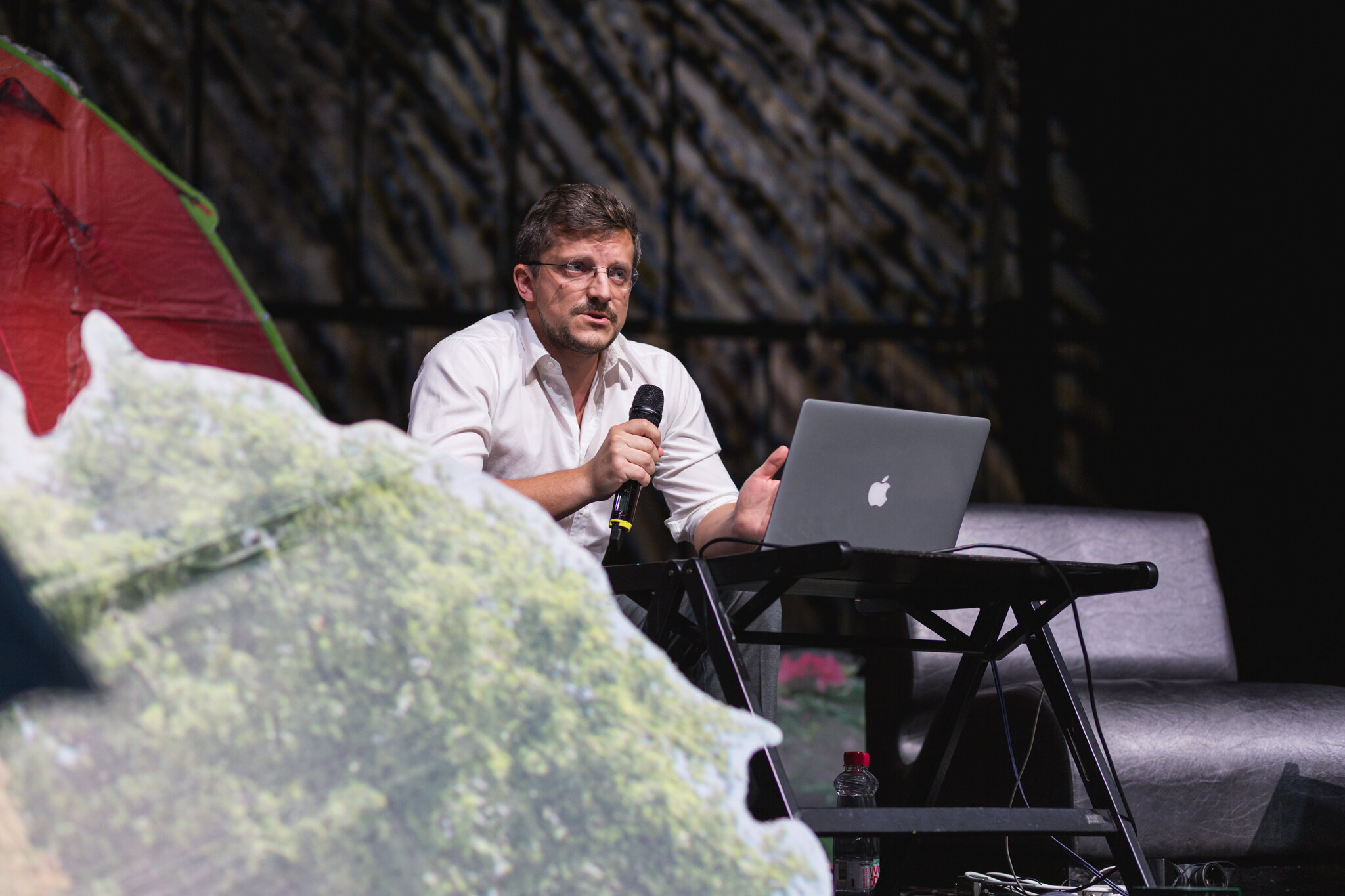
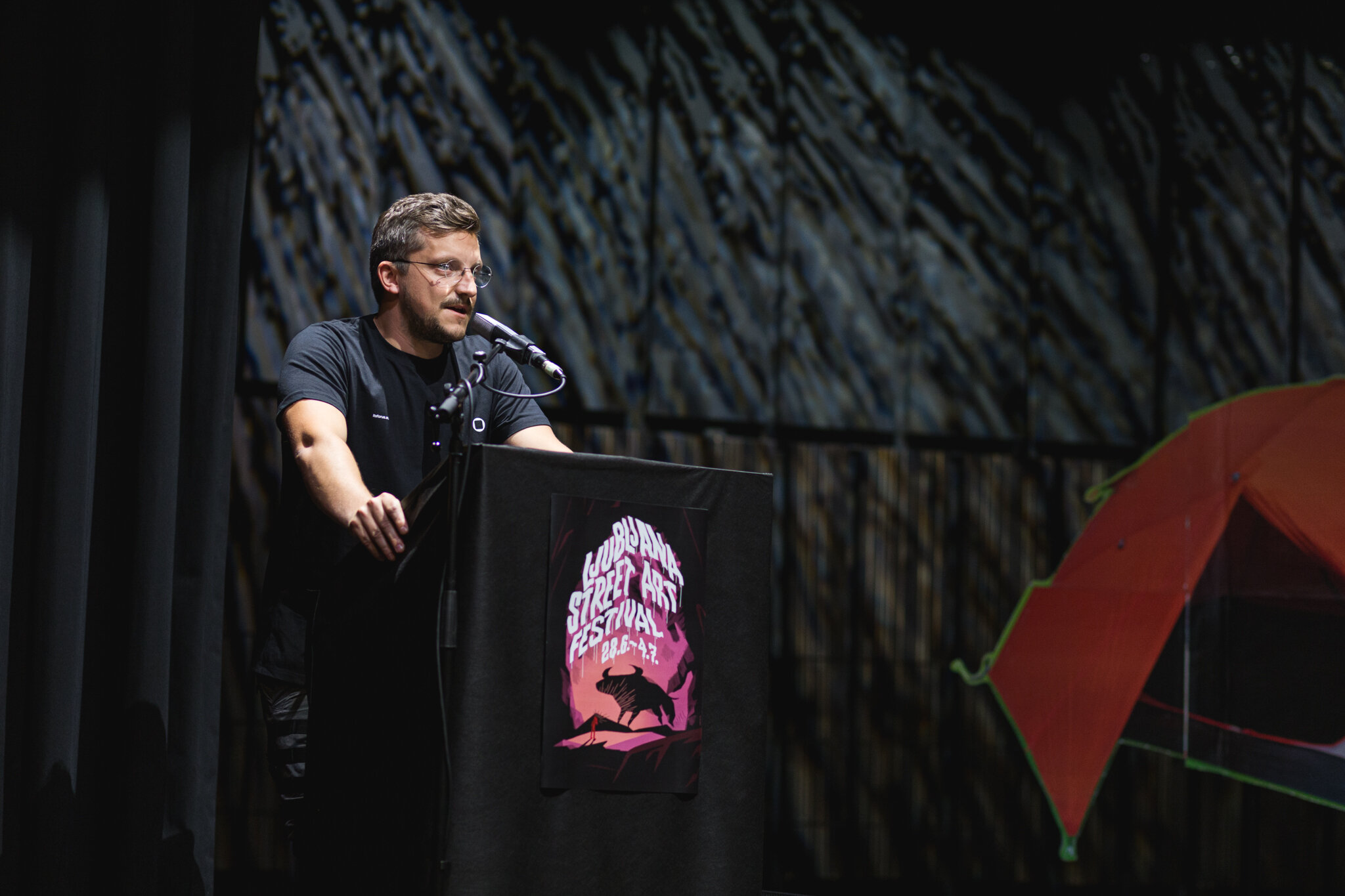
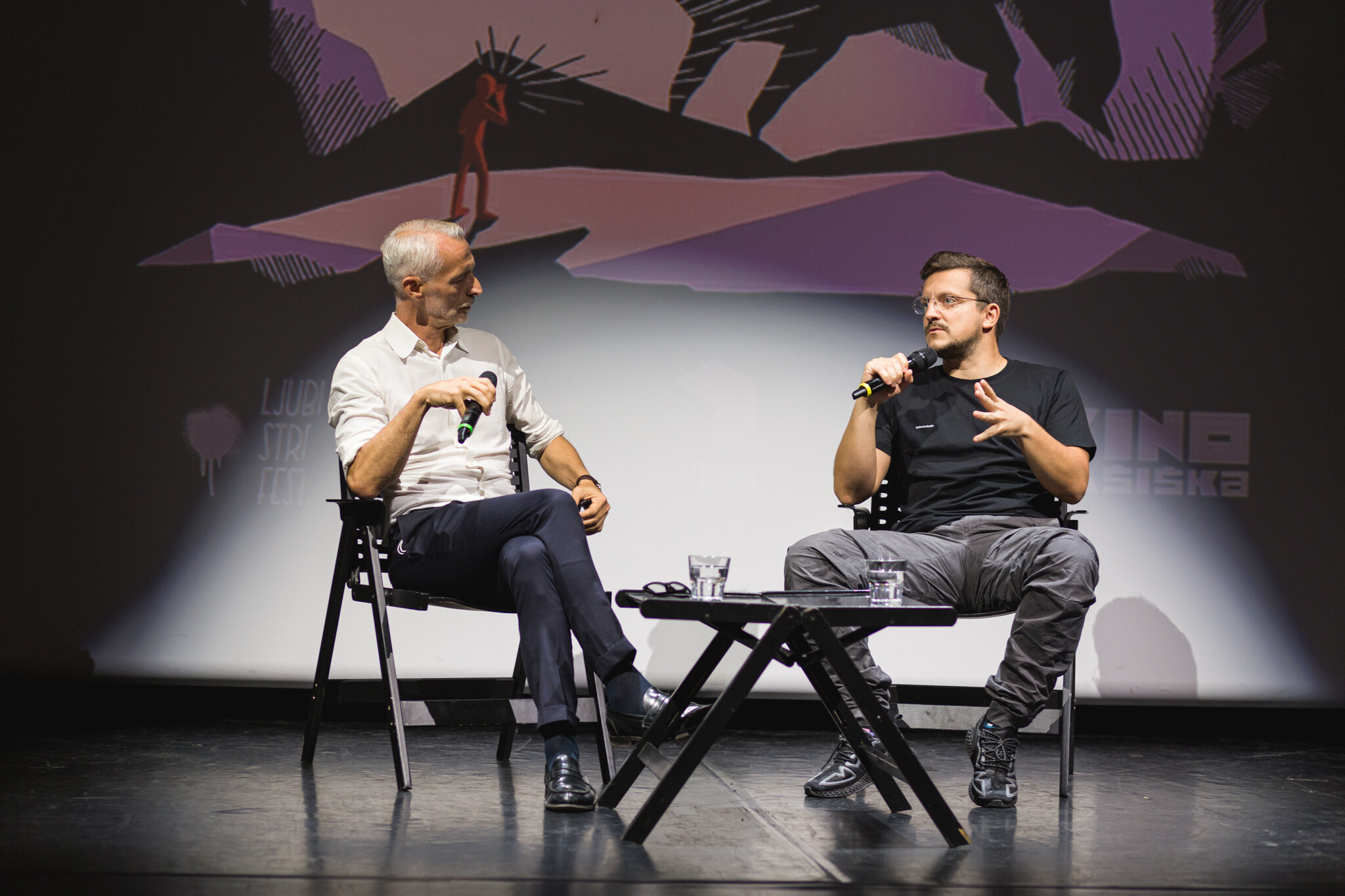
LIVE TALK AT LJUBLJANA STREET ART FESTIVAL

I was invited as a guest speaker and moderator at LSAF 2021 which took place from 28 June to 04 July.

Great experience, lovely organizers, and wonderful company of artists, curators, academics and more.

The recording of the Livestream of my presentation on “Documenting and Publishing Graffiti from Books to Social Media”, focused on my recent OnlyFans experience for the upcoming Grifters Code: Unlockdown.

(At 1:55:00 the conversation continues with a round table of all panel speakers)

My conversation with the curator Stefano S. Antonelli on the topic of exhibiting Graffich/Street art, right after the projection of The Man Who Stole Banksy by Marco Proserpio.

All images ©LSAF

REMOTE SENSING

An art-collection created from the best aerial photography, videos, and sounds; acquired from the photo, video & audio content, collected during the process of Remote Sensing the Line-1 of Athens Metro system. The project includes:

  • a limited edition of fine-art photo prints (SOLD OUT),

  • a photo-book (COLLECTOR EDITON SOLD OUT),

  • a song,

  • and a music video.

Learn more
SHOP COLLECTION